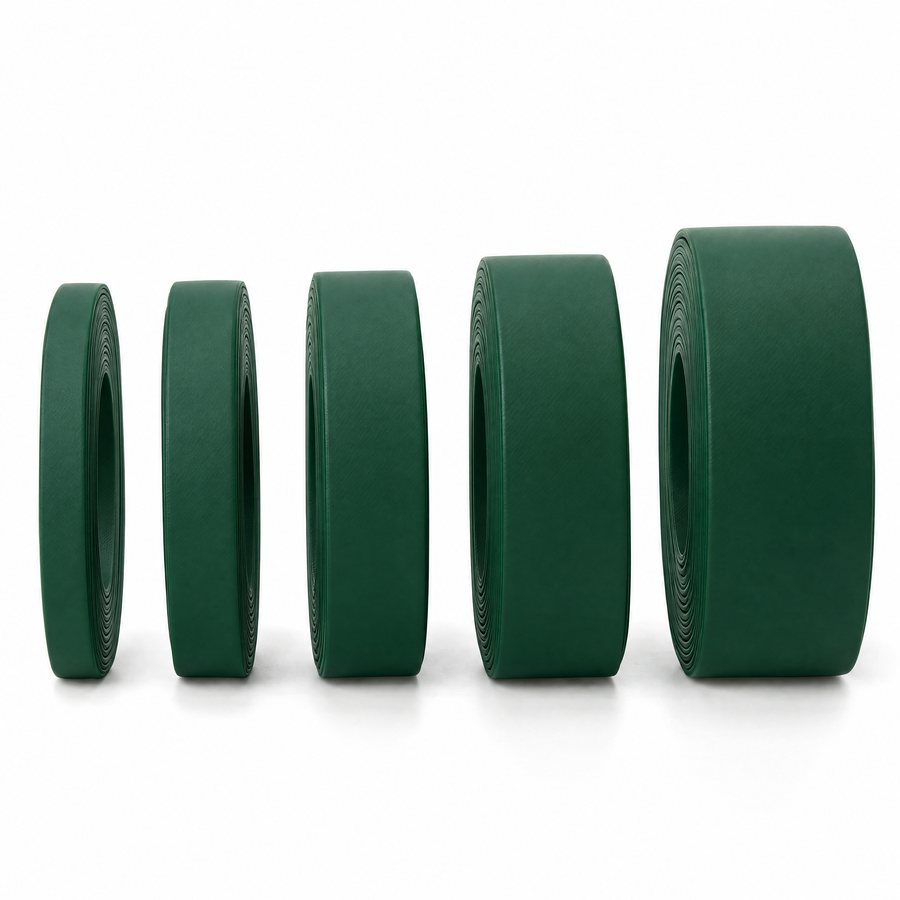
How to choose webbing width: a reference by dog size
Which dogs suit 15 mm, 20 mm and 25 mm, and how width relates to strength and feel.
In this article (3 sections)
On the same collar, different widths suit different dogs. Too narrow and pressure concentrates when a big dog pulls; too wide and it is bulky on a small dog.
A rough reference
10–12 mm: cats and mini dogs, light and gentle on the coat.
15 mm: small dogs such as Pomeranians, Chihuahuas and Toy Poodles.
20 mm: medium dogs such as Corgis, Shiba Inus and Beagles.
25 mm: medium-large dogs such as Golden Retrievers, Labradors and Border Collies.
32 mm and above: large dogs, working dogs, or styles that need a stronger visual look.
This is only a reference; the final choice depends on your product positioning and hardware size.
Width and strength
The wider the strap and thicker the core, the higher the strength. Actual tensile strength depends on the product and spec; if you have a requirement, we can provide tensile test results by batch.
Width and cost
A wider strap means more webbing and bigger hardware. If you mainly sell for small dogs, there's no need to use 25 mm just to look sturdy.
Related tutorials
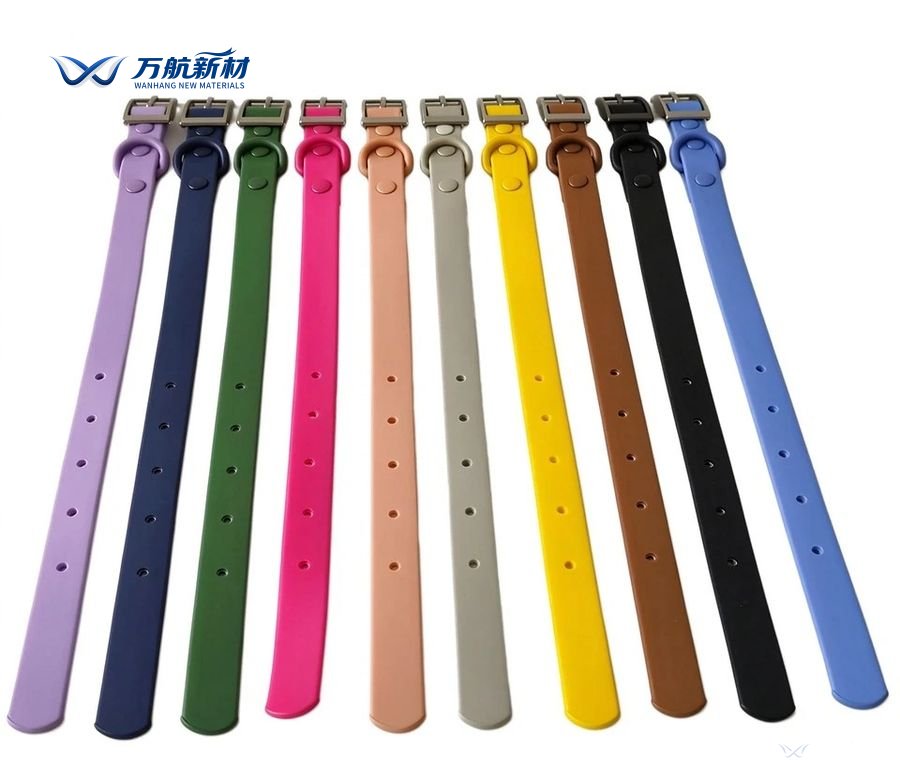
How to measure a dog collar: which dogs fit S, M and L
How to measure the neck and choose a size, with the size chart for our adjustable collars.
Read the full article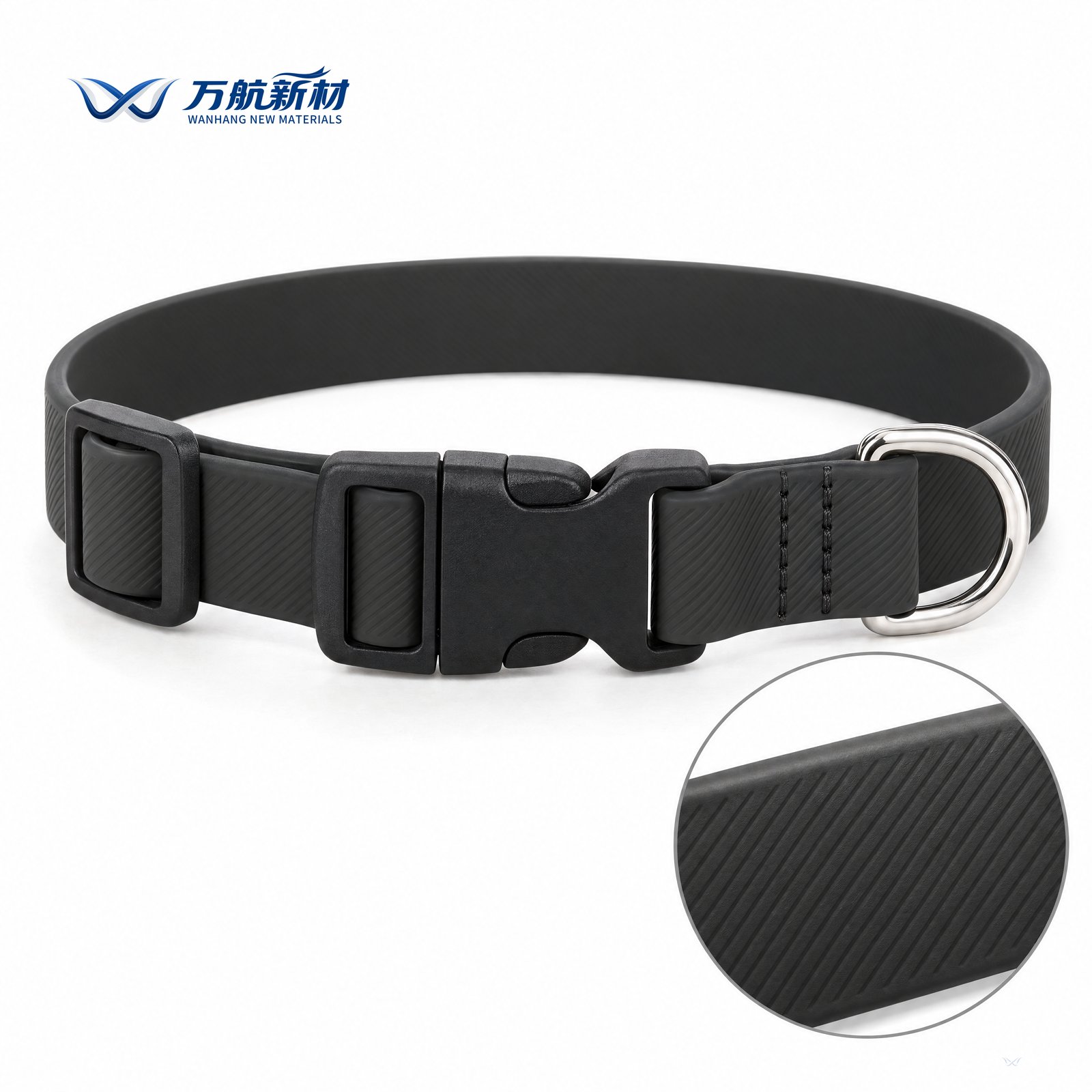
How to choose collar hardware: zinc alloy, aviation aluminum, brass or plastic buckles
The pros and cons of four common hardware materials, and how to combine them by product positioning.
Read the full article