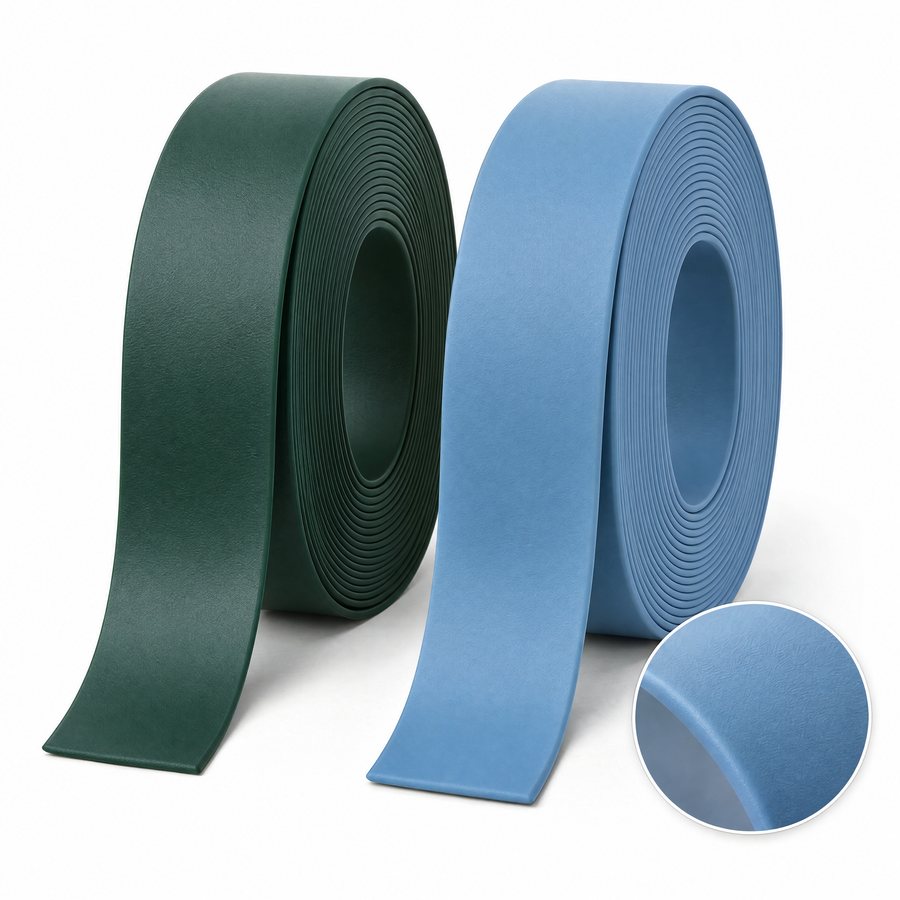
How to tell whether coated webbing is good quality
Check the thickness, check the color, check the edges, smell it, fold it, ask for the report: 6 simple methods.
In this article (6 sections)
Two products can both be called coated webbing and still differ a lot in quality. Once you have a sample, use these 6 methods to check it yourself.
1. Measure the thickness
Measure several points along a length of strap with calipers; the smaller the thickness variation, the better. Our thickness tolerance is held to ±0.1 mm.
2. Compare colors
Compare the two ends of the same roll and different batches side by side to check for visible color difference. A large batch-to-batch difference means a matched set won't line up.
3. Check the edges
Check that the webbing edges are fully covered, with no exposed core, bubbling or delamination.
4. Smell it
A strong, pungent smell often points to a problem with the raw materials or formulation.
5. Fold it up
Fold it back and forth and check whether the crease turns white or cracks; put it in the freezer overnight and fold it again to see how it behaves in the cold (PVC will be somewhat stiffer than TPU, which is normal).
6. Request test reports
For products exported to the US and Europe, ask whether the material has been tested for REACH, RoHS, Prop 65 and so on, what the report numbers are, and which colors they cover.
We welcome customers who scrutinize us this way; samples are made as custom sampling.
Related tutorials
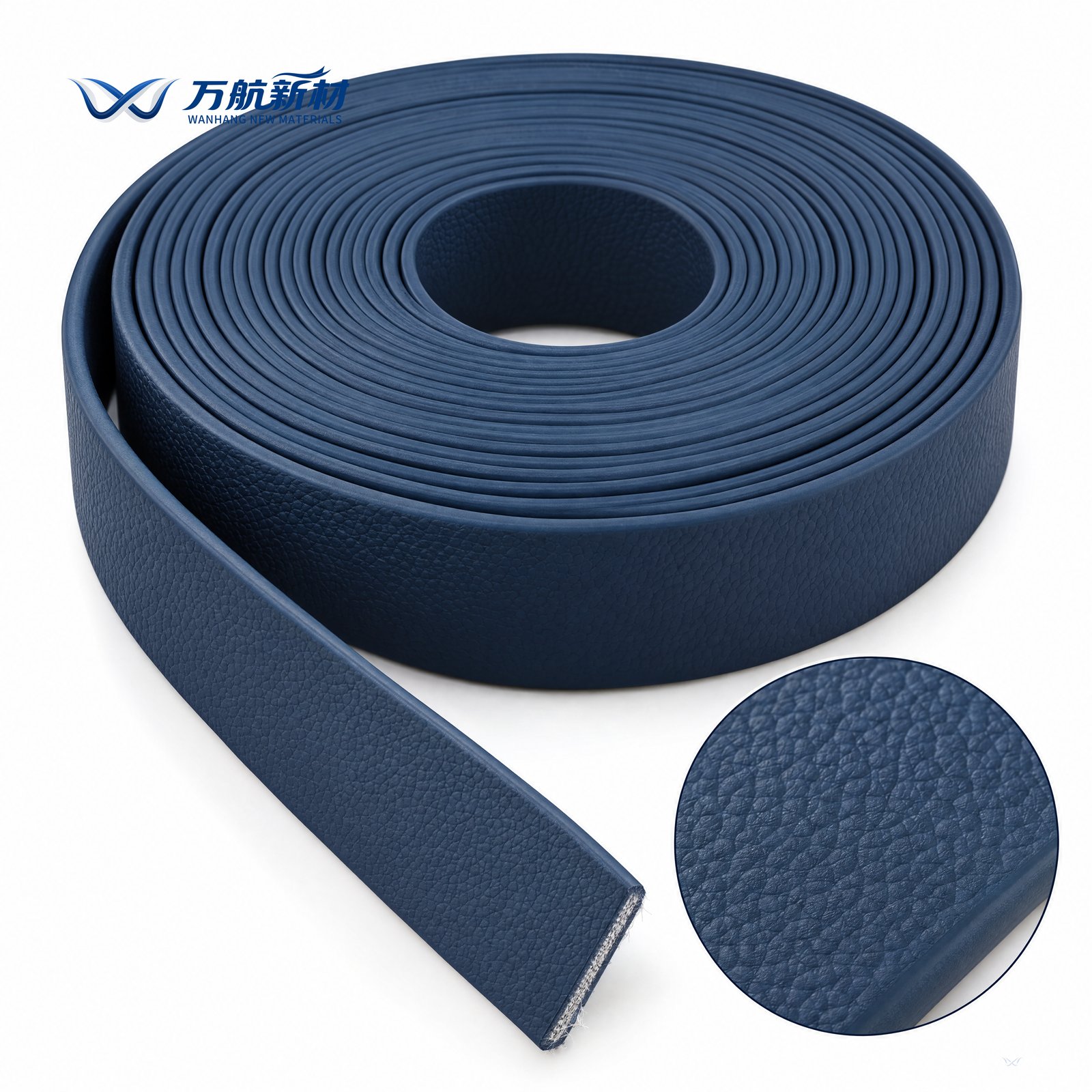
What is coated webbing, and how does it differ from nylon, leather and BioThane
One article covering the structure, pros, cons and common uses of coated webbing.
Read the full article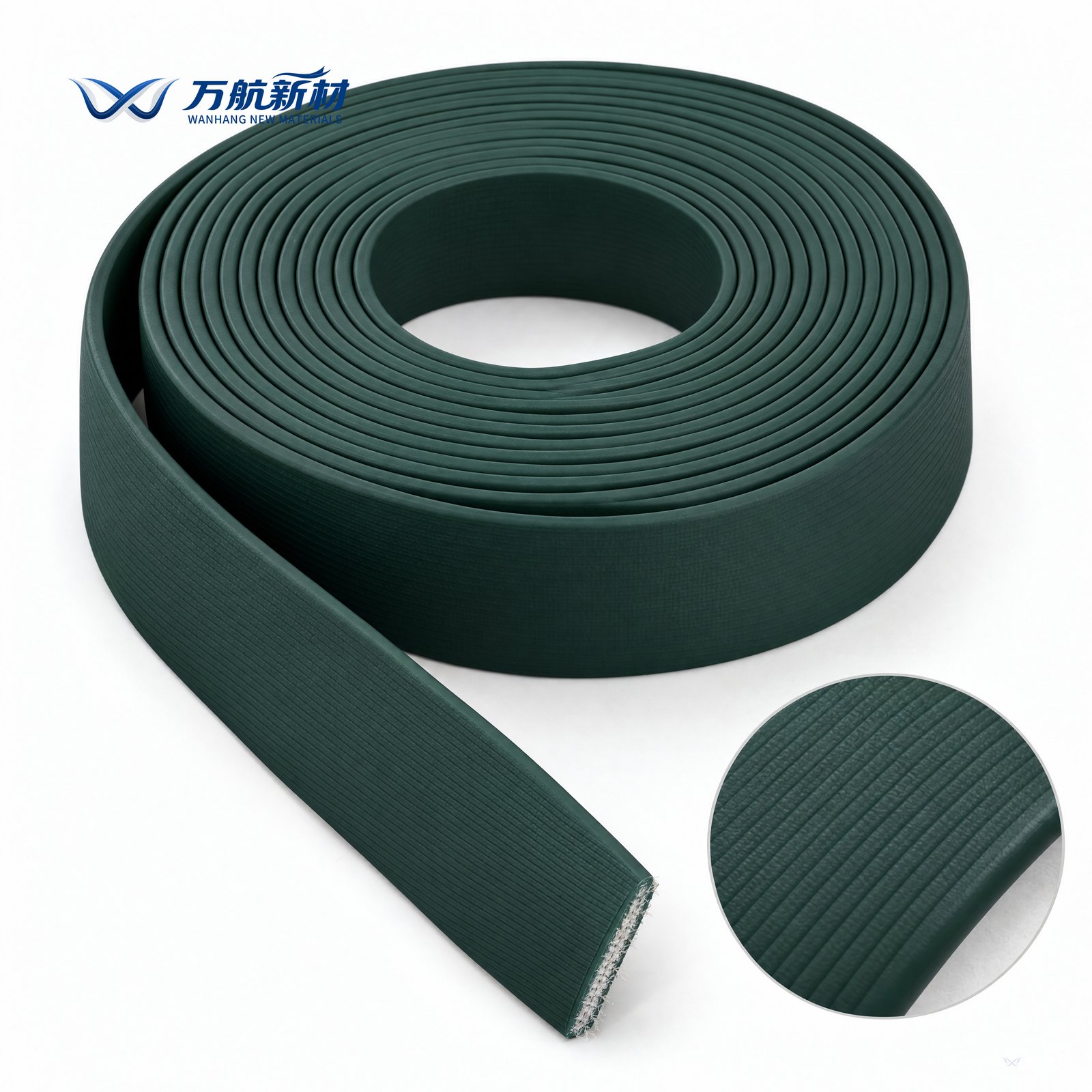
PVC, TPU or BioThane? How to choose the coated material for a pet product line
How the three coated materials differ in waterproofing, strength, low-temperature feel, compliance and price, and how to choose by target market.
Read the full article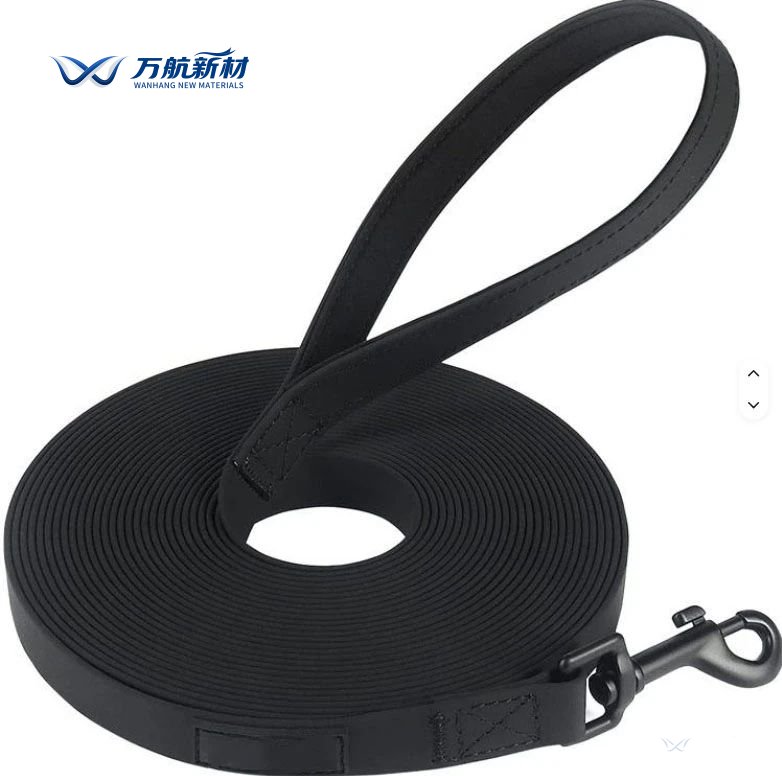
Why coated webbing beats nylon in muddy conditions
Why do nylon collars smell and stiffen? How does the structure of coated webbing solve this? Which uses is it suited to?
Read the full article