What is coated webbing, and how does it differ from nylon, leather and BioThane
One article covering the structure, pros, cons and common uses of coated webbing.
In this article (6 sections)
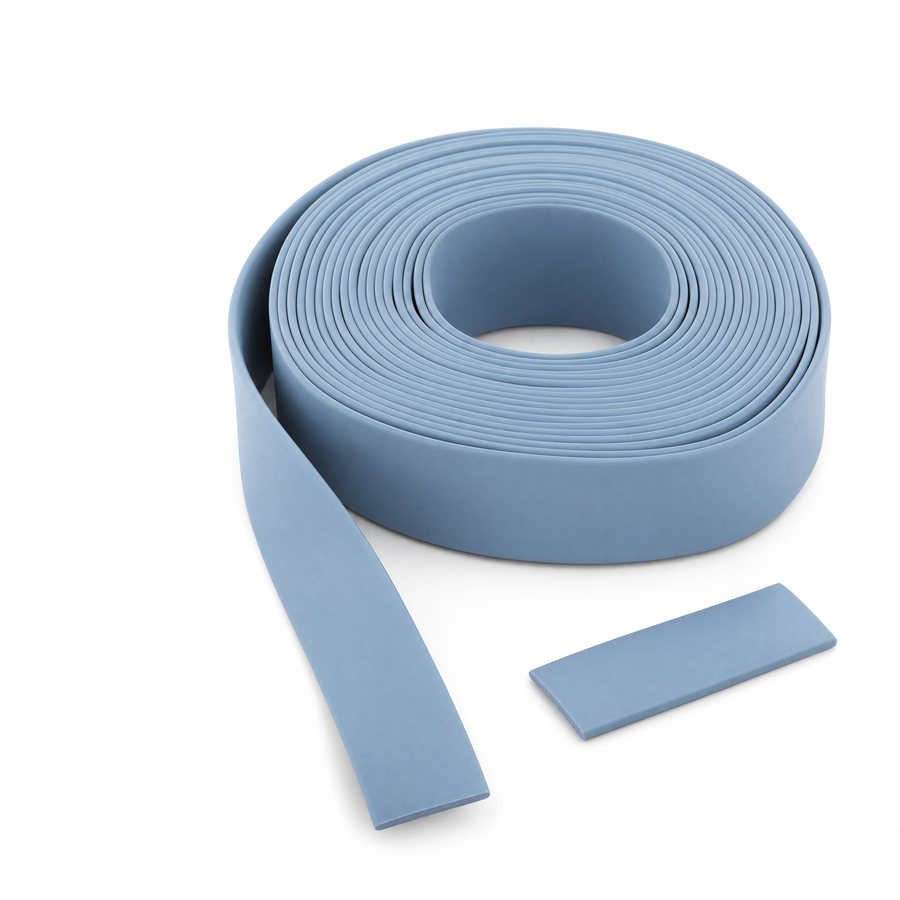
Coated webbing is also called coated-layer webbing, PVC webbing or TPU webbing, and is often just called coated webbing in English. Many people first meet it through the collars of the imported brand BioThane.
How it is made
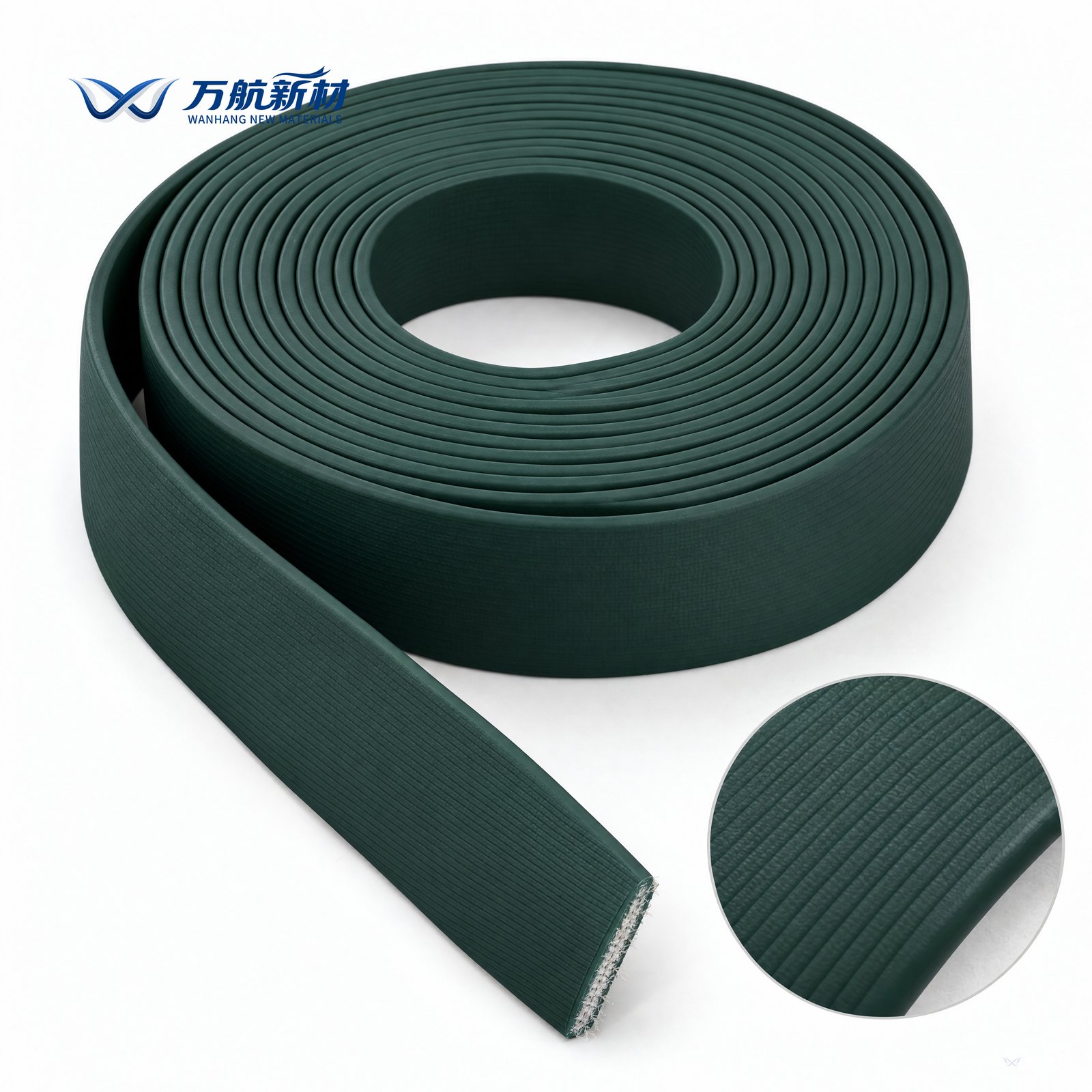
In the middle is a polyester or nylon webbing; molten PVC or TPU is extruded over it as a whole, and once cooled you have a webbing with a shell. The webbing core carries the tensile load, while the shell provides waterproofing, dirt resistance and hand feel.
Compared with nylon webbing
Nylon webbing has gaps between its fibers, so it absorbs water and sweat and traps mud, and over time it smells and stiffens. The shell of coated webbing is continuous, so dirt can't get in and a damp cloth wipes it clean. The trade-off is slightly more weight and a higher price.
Compared with leather
Leather has a quality feel, but it fears water and sweat, needs upkeep, and cracks and warps easily after soaking. Coated webbing can be embossed with a leather grain so it looks like leather, but needs no upkeep at all.
Compared with BioThane
BioThane is a US brand that also makes coated webbing. PVC/TPU coated webbing from Chinese factories has the same construction and is often called a "BioThane alternative." The differences are mainly brand premium, official strength figures and color choices.
Common uses
Dog collars, leashes, harnesses, horse tack, working dog gear, luggage tags, camera straps, diving weight belts, off-road recovery straps and more: coated webbing suits anywhere that is often wet, muddy or sweaty and needs washing every day.
A few common parameters
We commonly make widths of 10–50 mm and thicknesses of 1.8–3.5 mm. Tensile strength depends on the product and spec, and test reports can be issued per batch. We offer 12 surface textures, plus glow-in-the-dark, glitter and reflective effects.
Related tutorials
PVC, TPU or BioThane? How to choose the coated material for a pet product line
How the three coated materials differ in waterproofing, strength, low-temperature feel, compliance and price, and how to choose by target market.
Read the full article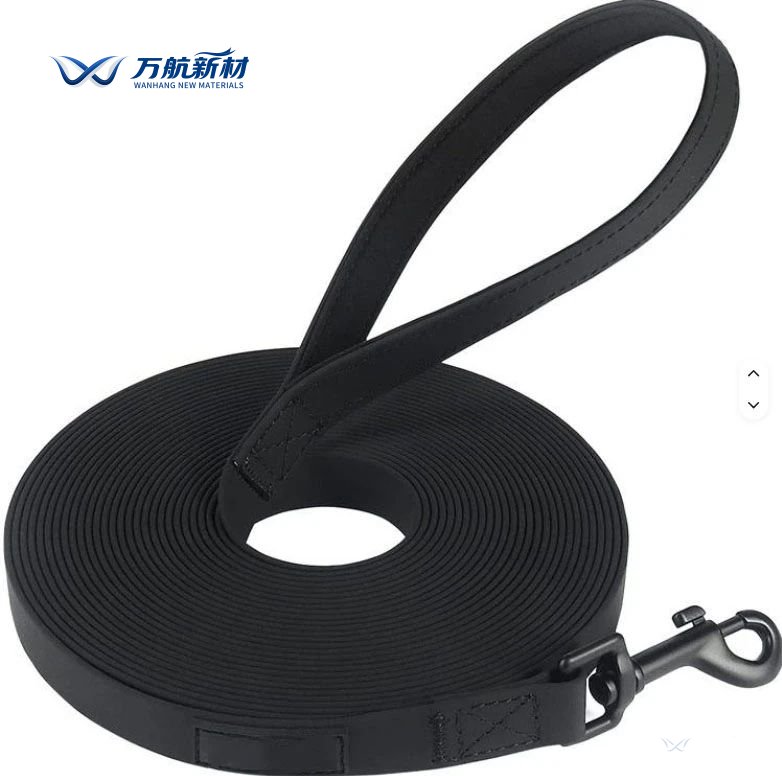
Why coated webbing beats nylon in muddy conditions
Why do nylon collars smell and stiffen? How does the structure of coated webbing solve this? Which uses is it suited to?
Read the full article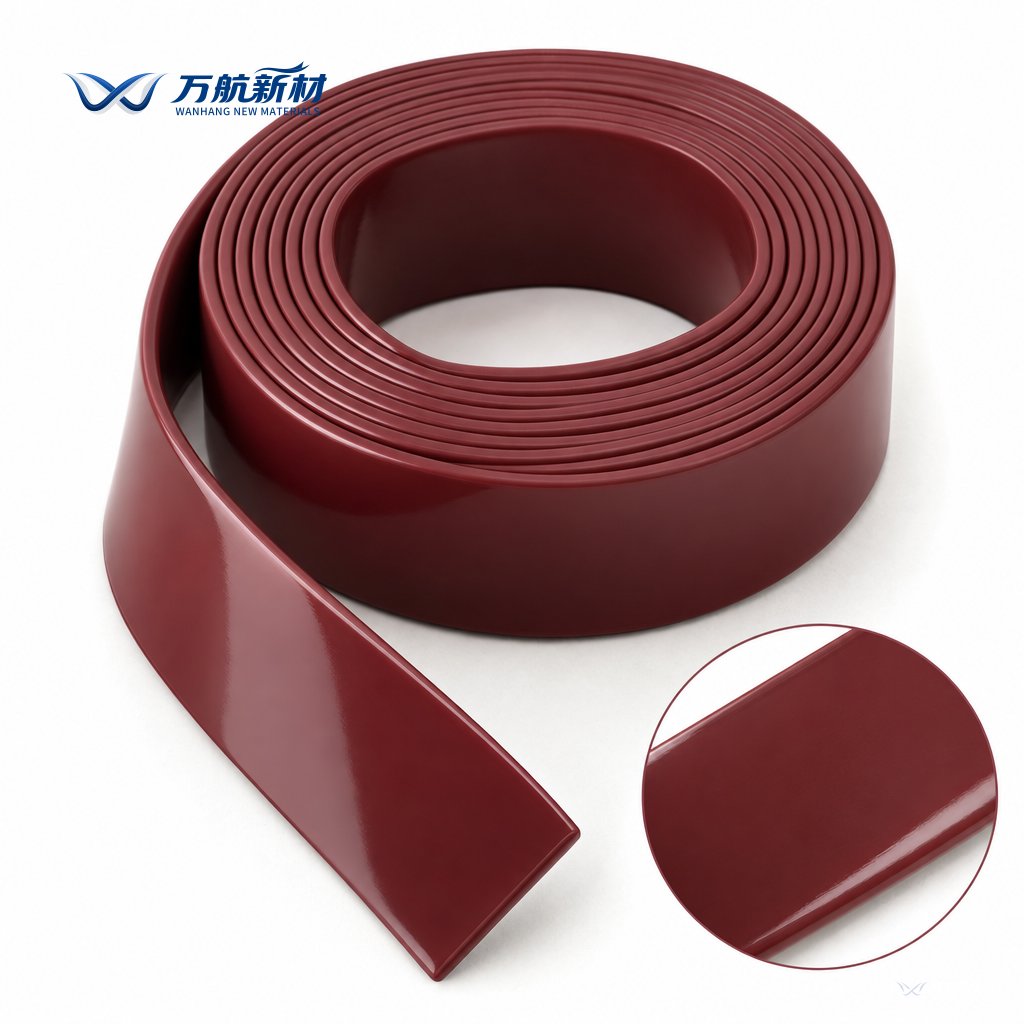
How to tell whether coated webbing is good quality
Check the thickness, check the color, check the edges, smell it, fold it, ask for the report: 6 simple methods.
Read the full article