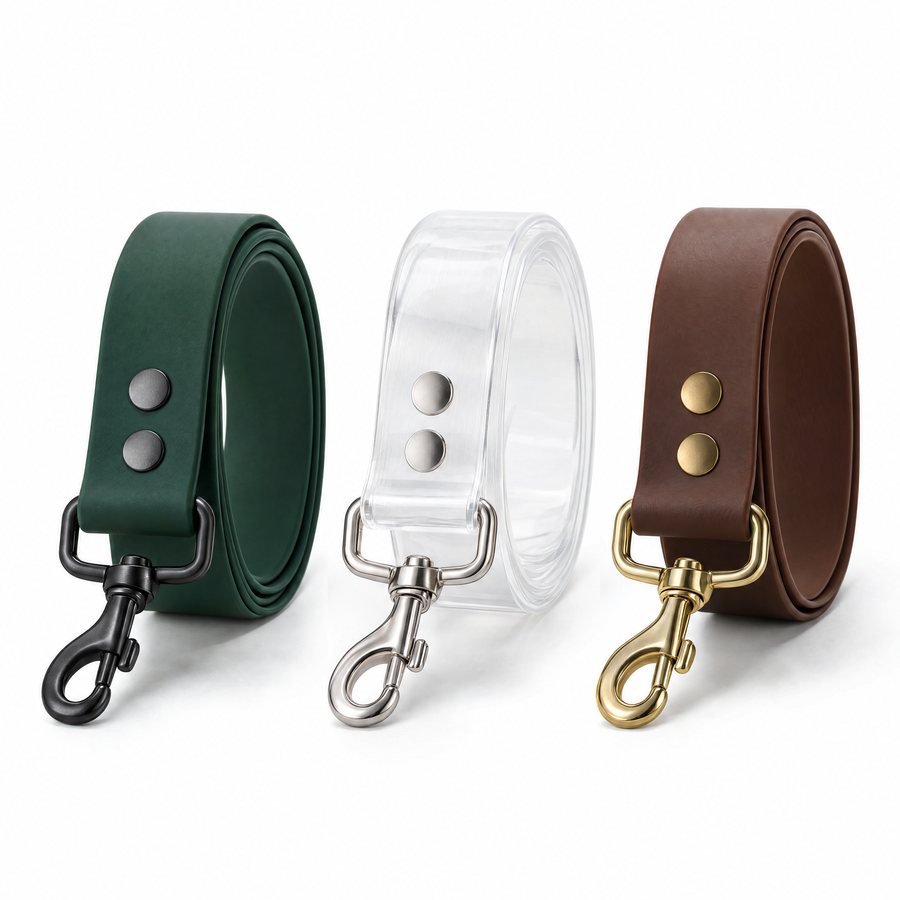
PVC, TPU or BioThane? How to choose the coated material for a pet product line
How the three coated materials differ in waterproofing, strength, low-temperature feel, compliance and price, and how to choose by target market.
In this article (4 sections)
Recently we've received several inquiries that boil down to the same question: "Should my collar be PVC or TPU? Should I just go with BioThane?" This article collects what we usually say on the phone.
First, what does the coating actually do?
Coated webbing has a core-and-shell structure. The core is polyester or nylon webbing that carries the load; a layer of PVC or TPU wraps around it completely and provides waterproofing, dirt resistance and hand-feel. So choosing a material is really choosing the shell. Core strength is about the same across the three options; what really sets them apart is how the shell performs in mud and water, in the cold and under regulations.
Three materials side by side
Waterproof and antibacterial: all three are waterproof and the surface doesn't hold odors, so there's no difference here.
Strength: the tensile strength of our coated strap depends on product and specification, and we can provide a tensile test report per batch; TPU and PVC are comparable in the same structure. BioThane quotes higher official figures, but for pet collars and leashes, choosing the right width and thickness for the dog's size matters more.
Cold-weather feel: this is the biggest difference between PVC and TPU. PVC stiffens noticeably below freezing, while TPU stays soft in the cold and feels more premium. If your market is Northern Europe or Canada, weigh this carefully.
Compliance: PVC can be tested to RoHS, REACH and Prop 65, but EU limits on plasticizers keep getting stricter, so PVC testing pressure will keep growing. TPU is halogen-free and recyclable, which makes it the safer choice for the EU and for environmental tenders.
Price: with PVC as the baseline, TPU costs about 20–30% more. BioThane is an imported brand with the highest premium.
Conclusions by market
US volume line: choose PVC. Best value, and with a Prop 65 test report you can list with confidence.
Mid-to-high-end EU market, with an eco story: choose TPU. The extra 20–30% buys compliance peace of mind and a better hand feel.
Brand story needs: if your brand story is built on "using a certain imported material", then use it; but in most cases consumers buy "waterproof, easy to wipe, durable", not a material brand.
Don't look only at unit price; add up the total cost
The material price gap is a few cents, but a single return or delisting caused by low-temperature cracking or a failed test costs far more. We suggest first deciding where you will sell and to whom, then choosing the material.
If you're unsure, request free physical PVC and TPU swatches. Touch them and freeze them: it tells you more than any spec sheet.
Related tutorials
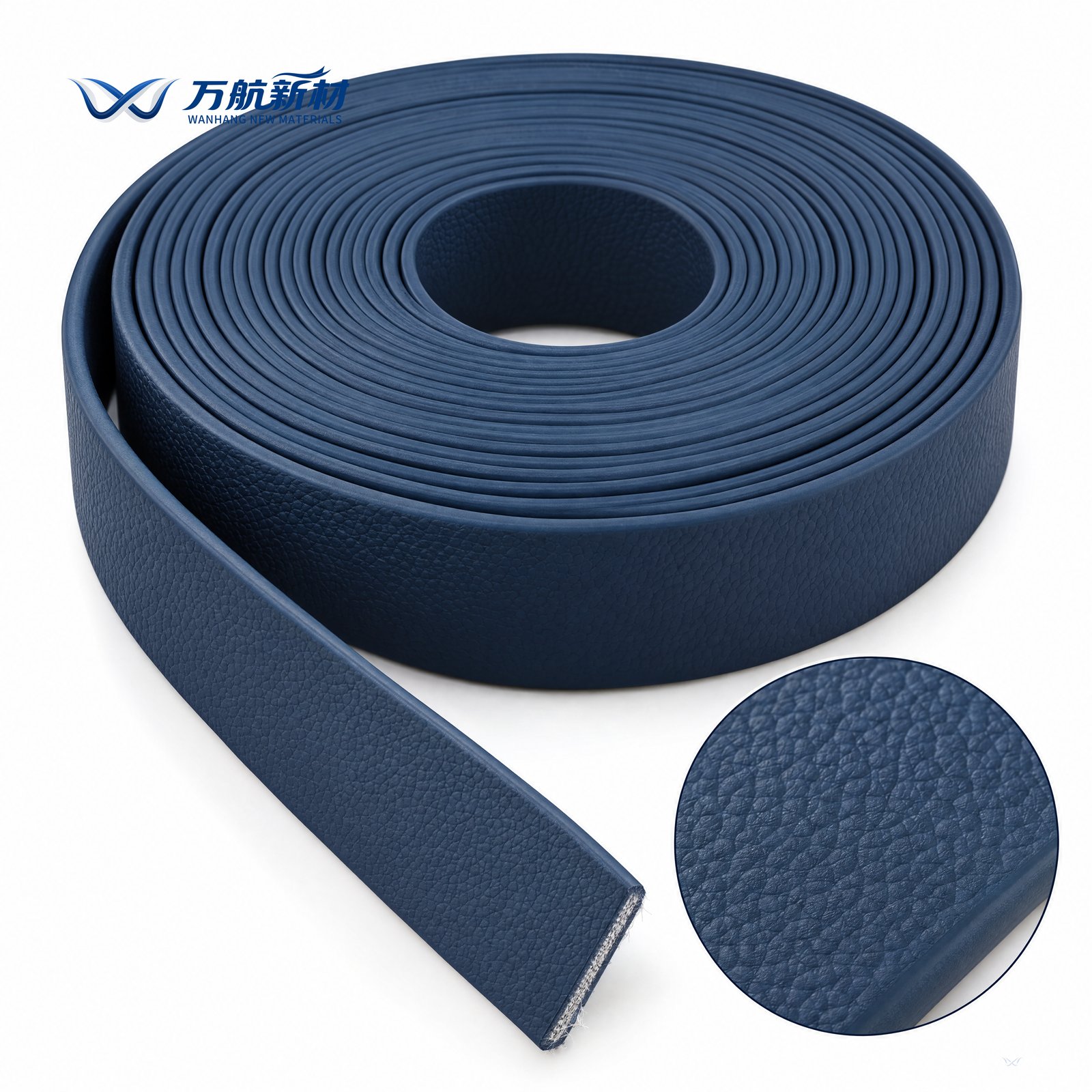
What is coated webbing, and how does it differ from nylon, leather and BioThane
One article covering the structure, pros, cons and common uses of coated webbing.
Read the full article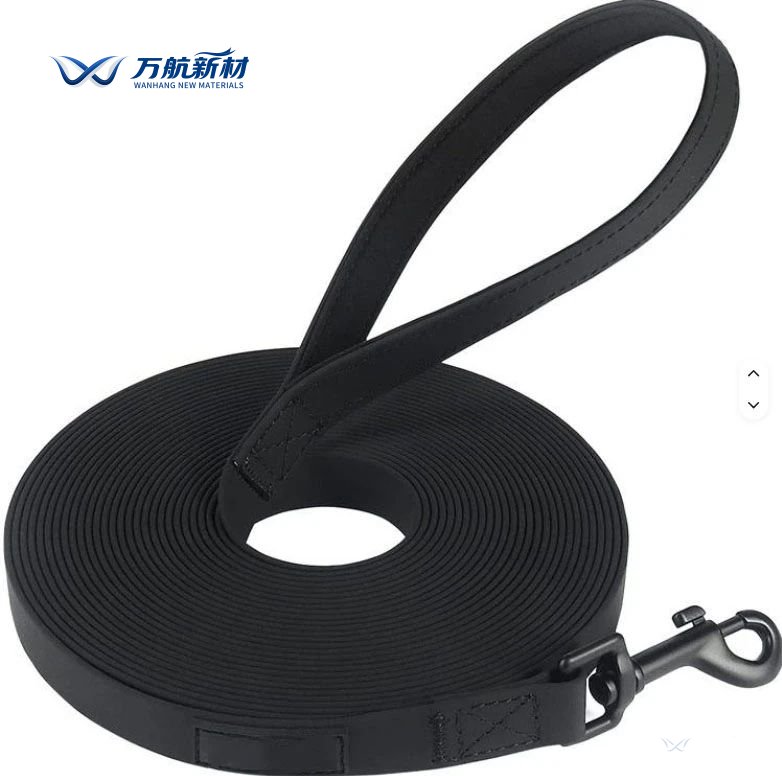
Why coated webbing beats nylon in muddy conditions
Why do nylon collars smell and stiffen? How does the structure of coated webbing solve this? Which uses is it suited to?
Read the full article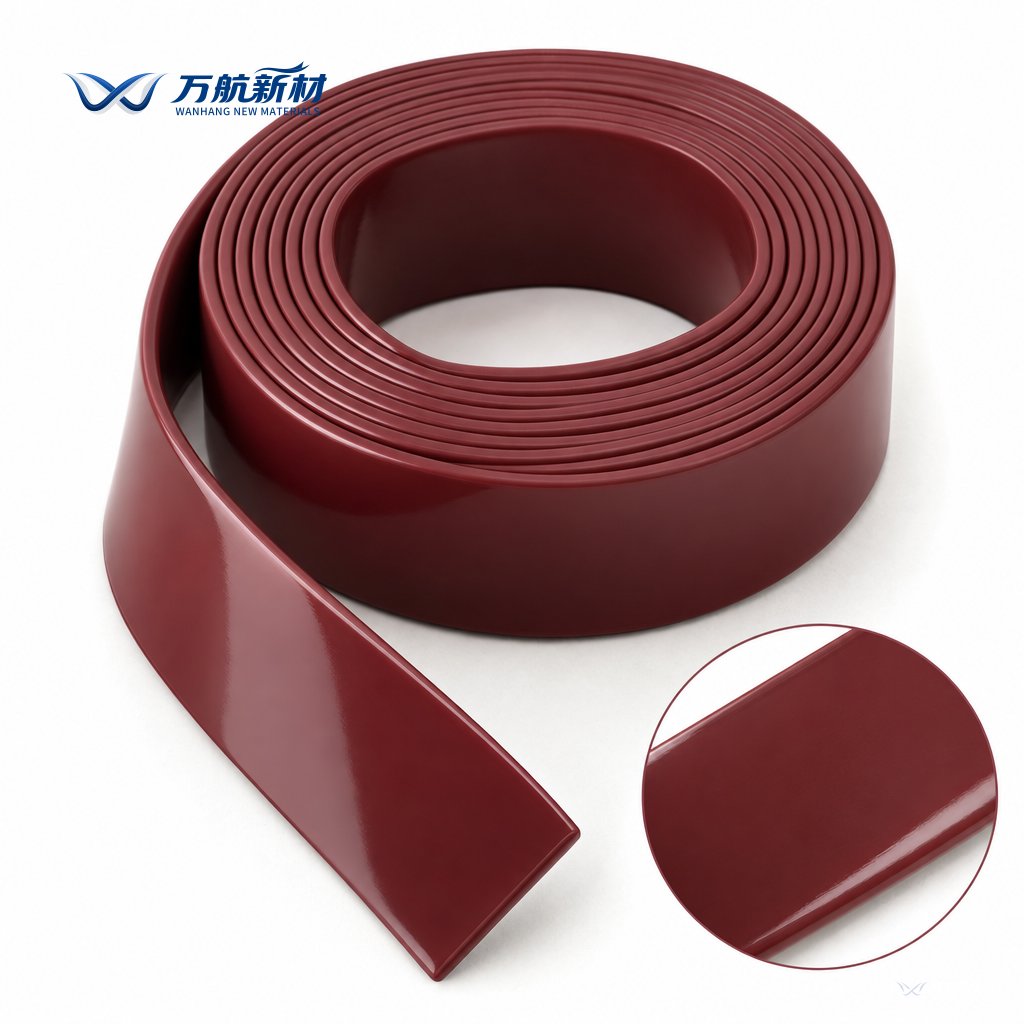
How to tell whether coated webbing is good quality
Check the thickness, check the color, check the edges, smell it, fold it, ask for the report: 6 simple methods.
Read the full article